Leak Detection in Beecroft
1000+ five-star reviews
Water escaping a pipe rarely announces itself. We find hidden leaks behind walls, under floors and along garden runs across Beecroft, tracing the exact point of escape before any repair is priced or opened.
- $0 Call Out Fee
- Lifetime Labour Warranty
- Licensed & Insured

- Lic #275278C
- Licensed & Insured
- $0 Call Out Fee
- Lifetime Labour Warranty
- On-Site Fast, 24/7
- 1000+ five-star reviews
- Real Humans Answer, Day or Night
- Lic #275278C
- Licensed & Insured
- $0 Call Out Fee
- Lifetime Labour Warranty
- On-Site Fast, 24/7
- 1000+ five-star reviews
- Real Humans Answer, Day or Night
- Lic #275278CNSW plumbing licence, fully insured, water and gas
- $0 Call Out FeeIt costs nothing to get us to your door
- Lifetime Labour WarrantyIf it's not right, we come back. No questions. No cost.
- 1000+ five-star reviewsSydney homeowners have rated us five stars over a thousand times
A real person answers, day or night
Finding the Exact Point Where Water Escapes
A stain the size of a saucer this month becomes plaster replacement, mould treatment and swollen skirting boards by winter. Pinpointing the failure early is the difference between a small, tidy repair and an unwelcome renovation, and proper detection is what keeps it small.
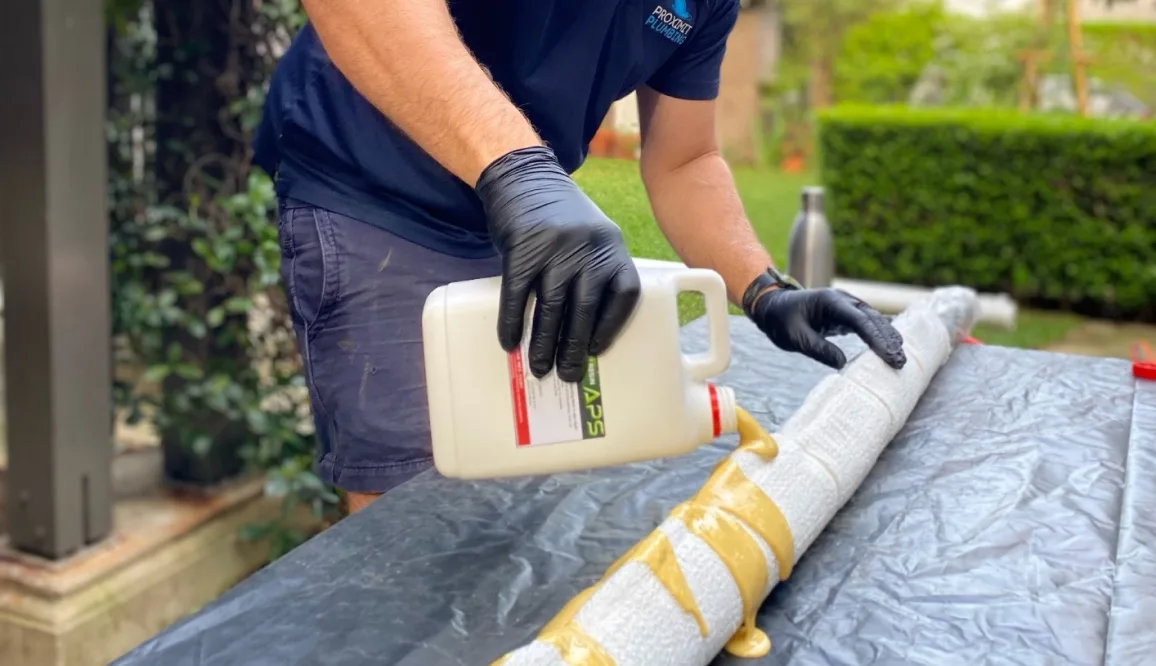
Thick Walls, Older Pipes and a Ridge That Hides Water
- Double-brick construction keeps its secrets The solid masonry in these early homes wicks moisture across wide areas, so water inside a wall can travel a metre or more from the failed joint before any surface shows a mark.
- Supplies from another era fail quietly Houses raised between 1900 and 1920 were plumbed with galvanised steel and early copper, and corrosion thins those lines from the inside, so failures arrive as slow weeps rather than dramatic sprays.
- The shaded ridge dries slowly Heavy canopy and nearby bushland keep these blocks so sheltered that damp patches linger in subfloors and wall cavities long after a leak first begins.
How We Trace a Leak Without Wrecking the House
Every diagnosis starts with the least invasive method that will answer the question, and we escalate only when the evidence demands it, so your walls, tiles and garden stay intact wherever that is genuinely possible.
Acoustic listening
Sensitive microphones listen for the hiss of pressurised water escaping a fractured run, and on this suburb's quiet leafy streets the reading pins the fault within centimetres, so no tile, paver or plaster surface needs opening on spec at all.
Moisture mapping
Moisture meters read dampness through skirting, plaster and subfloor timber, mapping the wet pattern backwards toward its source, a vital step inside thick double-brick walls where water wanders far from the joint that failed before it shows.
Pressure testing
Isolating sections of the supply and watching which zone loses pressure tells us whether the fault sits in the front garden run, beneath the floor or inside a wall cavity, narrowing the search before anything invasive happens to your home.
Tracer gas
For stubborn escapes hiding beneath concrete paths or established garden beds, a safe inert gas pumped into the pipe surfaces at the exact failure point, and a sensitive detector reads it out without digging exploratory trenches across the surrounding lawn.
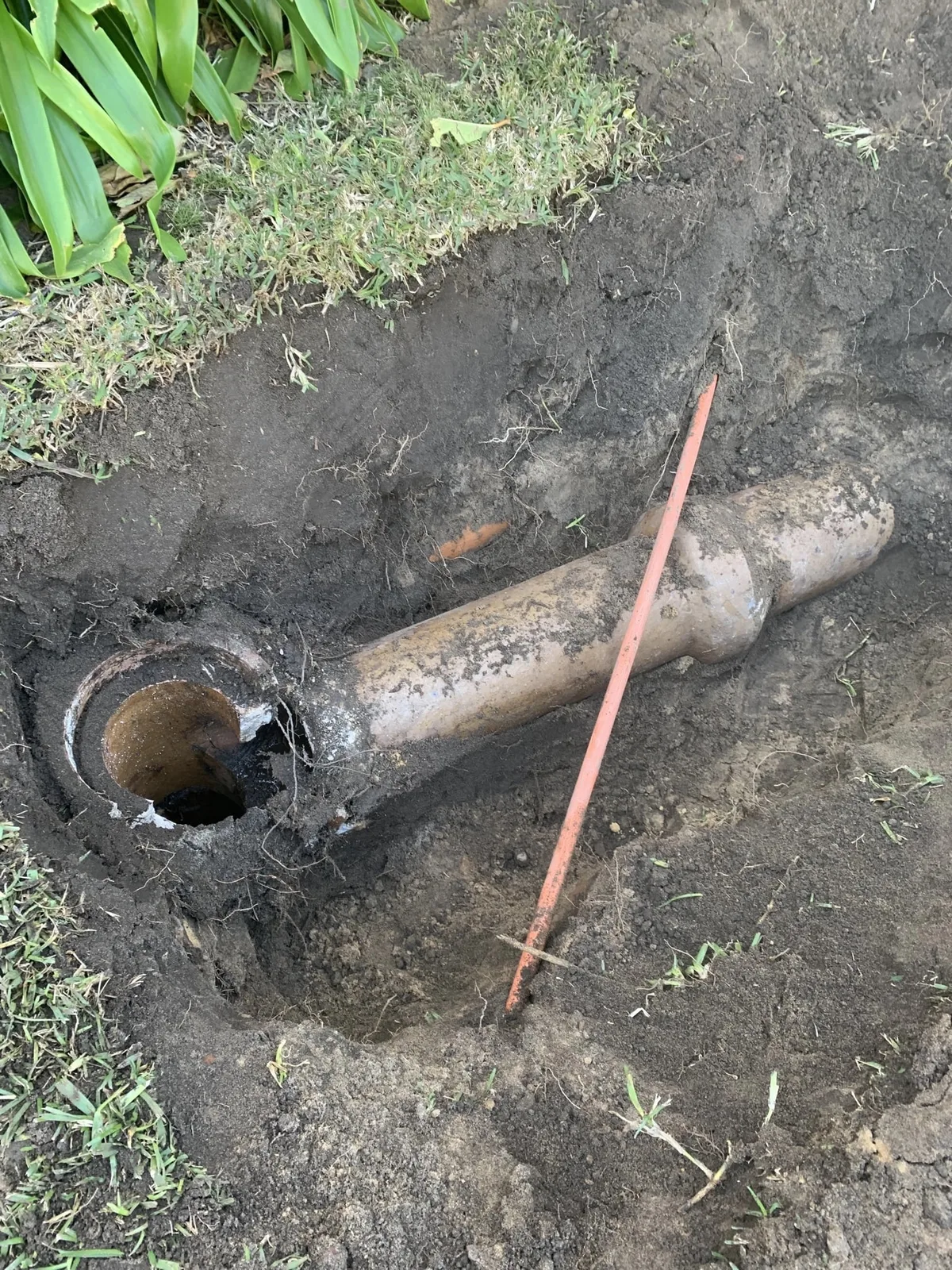
Quiet Streets, Deep Blocks and the Units by the Station
- Calm streets sharpen the instruments Away from the main-road traffic hum, acoustic readings here are unusually clean, which is one reason detection on these tree-shaded residential blocks resolves so precisely.
- Deep blocks mean long garden runs On the suburb's generous lots, the supply crossing from the meter to the house is often the weakest stretch, and we test that run as a matter of routine.
- Village units bring different faults Around the station and the shops near St John's Anglican Church, newer apartments more often fail at flexi hoses and mixer connections than at buried pipe, and we diagnose accordingly.
Warning Signs a Leak Is Hiding Somewhere
A water bill that climbs
An unexplained jump in the quarterly account with habits unchanged usually means water escaping out of sight, and in homes still running century-old galvanised lines the culprit is often a pinhole corrosion leak that never drips visibly anywhere.
Damp and mould with no visible source
Musty smells and mould patches sometimes appear with no drip visible anywhere, which points to a slow escape inside a cavity or under the floor, and moisture mapping traces it back before the damage spreads further.
Warm patches on hard floors
Warm patches on a concrete floor signal a hot water line leaking beneath the slab, a fault common where later renovations ran new piping, and tracer gas locates it without breaking more concrete than the repair truly needs.
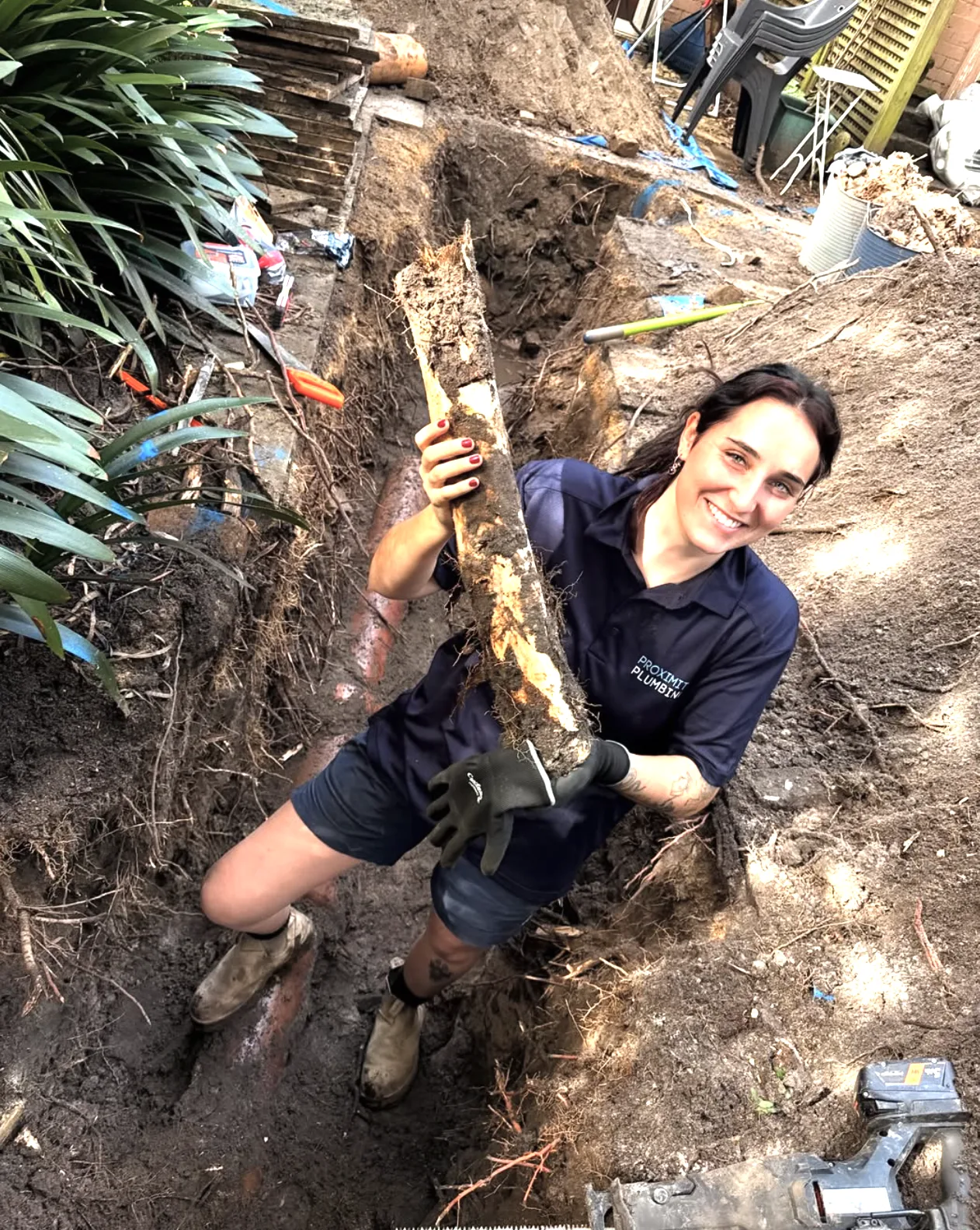
Why Chasing a Leak Early Pays Off
Every week a leak runs, it costs more in three separate ways, and acting while the evidence is fresh spares you the worst of all three.
- Structural damage compounds Water reaching bearers, subfloor timbers or wall framing softens the materials around it, turning a pipe repair into carpentry, plastering and repainting across several rooms.
- Bills and waste keep growing A single escaping joint can waste thousands of litres per quarter, and the meter records every drop whether you ever see it or not.
- Mould threatens health and finishes Persistent damp inside cavities breeds mould that costs far more to remediate than the leak that caused it, particularly in homes with original linings.
How it works
Our Leak Detection Process, Step by Step
- 01
Call and tell us
Ring (02) 9072 0520 and describe what's happening, and a licensed plumber, not an answering machine, will tell you what it likely means, what to stop using, and when we can realistically be there.
- 02
Quote before work
Your plumber inspects the job properly, runs whatever diagnosis it genuinely needs, and hands you a single fixed written price covering the complete fix, with a $0 call out fee and nothing added afterwards.
- 03
Trace and pinpoint
Your plumber runs the agreed method, whether acoustic listening, moisture mapping, pressure testing or tracer gas, and marks the exact fault position on site, so the repair quote covers one precise intervention instead of exploratory guesswork.
- 04
Backed for life
Everything we complete is covered by our Lifetime Labour Warranty, the promise that outlasts the job itself: if it's not right, we come back. No questions. No cost.
Why Choose Your Plumber Beecroft
Fixed prices, kept
Every job is priced upfront in plain writing before any work starts, the invoice always matches that number, and weekend or late-evening timing changes nothing, because overtime rates simply don't exist here.
Licensed and insured
Your Plumber Beecroft works under licence #275278C with full insurance behind every job, and the compliance certificates that protect your home's paperwork trail arrive with the invoice, without you ever needing to ask for them.
Lifetime Labour Warranty
Workmanship here is guaranteed for life under our Lifetime Labour Warranty rather than for a warranty card's fine-print window, which says more about how the work is done in the first place than any advertisement could.
Genuinely local response
We work these streets constantly rather than commuting in from across Sydney, so the van reaching you has usually just left a job nearby, stocked for the faults the local houses actually develop.
Detection done properly the first time saves walls, gardens and budgets, and the same discipline carries through to the burst pipe repairs and planned maintenance visits that often follow a finding.
Where Detection Crews Travel
Leak work runs from the village out to Cheltenham, Pennant Hills, Epping, Carlingford and Normanhurst, with bus route 553 linking these streets to the same ridge, and the same instruments and fixed-quote discipline applied whether the house is a Federation original or a newer unit. The full service range lives on our plumbing hub.
Good questions, straight answers
Leak detection questions Beecroft locals ask us
How do you find a leak without opening walls?
Acoustic listening, moisture mapping and pressure testing narrow the fault to a single point, so any opening we make is small, deliberate and positioned exactly where the repair is needed.
Will my water bill drop after the repair?
Yes, because a hidden leak of even a few litres an hour adds thousands of litres to a quarterly account, and the correction usually shows on the next meter reading.
Can you detect leaks under slabs or gardens?
We can, because tracer gas and acoustic equipment locate underground failures without exploratory digging, which protects established gardens and the footings of heritage-era homes while still pinpointing the pipe.
Do older houses make detection harder?
Older homes do, because thick double-brick walls wick moisture widely and original galvanised pipework fails as slow weeps, so we lean on instruments rather than guesswork before touching any structure.
Do you charge to come out and assess?
No, the call out fee is $0, and you receive one fixed price in writing covering the detection and repair before any work begins, so the assessment costs nothing.
How quickly can you attend a suspected leak?
Active leaks are prioritised and attendance is usually prompt, day or night, with a licensed plumber answering the phone rather than a machine and detection gear already aboard the van.
Suspect a Hidden Leak in Beecroft? Call Now for Detection
Call (02) 9072 0520 now and speak straight to a licensed plumber, day or night. The call out fee is $0, the price goes on paper before a tool comes off the van, and every repair is backed by our Lifetime Labour Warranty.
If the fault turns out to be drainage rather than supply, a CCTV drain inspection finds that instead, and everything else we do is laid out on our home page.